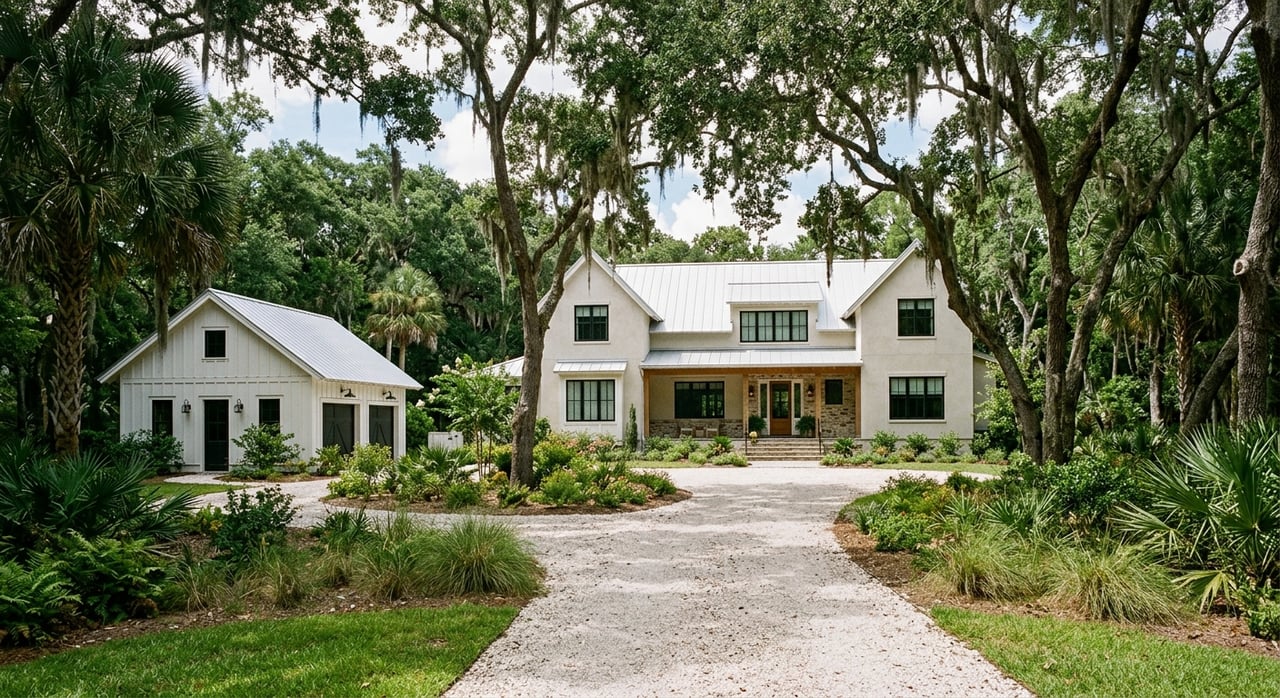
Rural-Coastal Living In Malabar And Grant Valkaria
July 23, 2026
July 23, 2026
If you love the idea of space, privacy, and easy access to the water, Malabar and Grant-Valkaria offer a version of coastal Florida that feels very different from a typical beach town. These south Brevard communities appeal to buyers who want room to spread out, a strong connection to nature, and a quieter day-to-day pace. If you are wondering what rural-coastal living really looks like here, this guide will help you understand the setting, housing patterns, lifestyle, and who these towns tend to fit best. Let’s dive in.
Malabar and Grant-Valkaria sit in south Brevard County’s District 3, and both communities are defined by a clear commitment to preserving rural character. Malabar’s 2026 planning update says more than 75% of the town’s land is devoted to rural residential and conservation uses. Grant-Valkaria’s history also points to the same goal, noting that residents incorporated the town to keep growth compatible with its rural character.
The scale alone helps explain the feel. Malabar’s 2025 population estimate is 3,145, while Grant-Valkaria’s 2024 population is 5,730 across 27.22 land square miles. By comparison, nearby Palm Bay was estimated at 148,092 residents in 2025, so you are looking at a much lower-density setting with larger open areas and fewer signs of urban intensity.
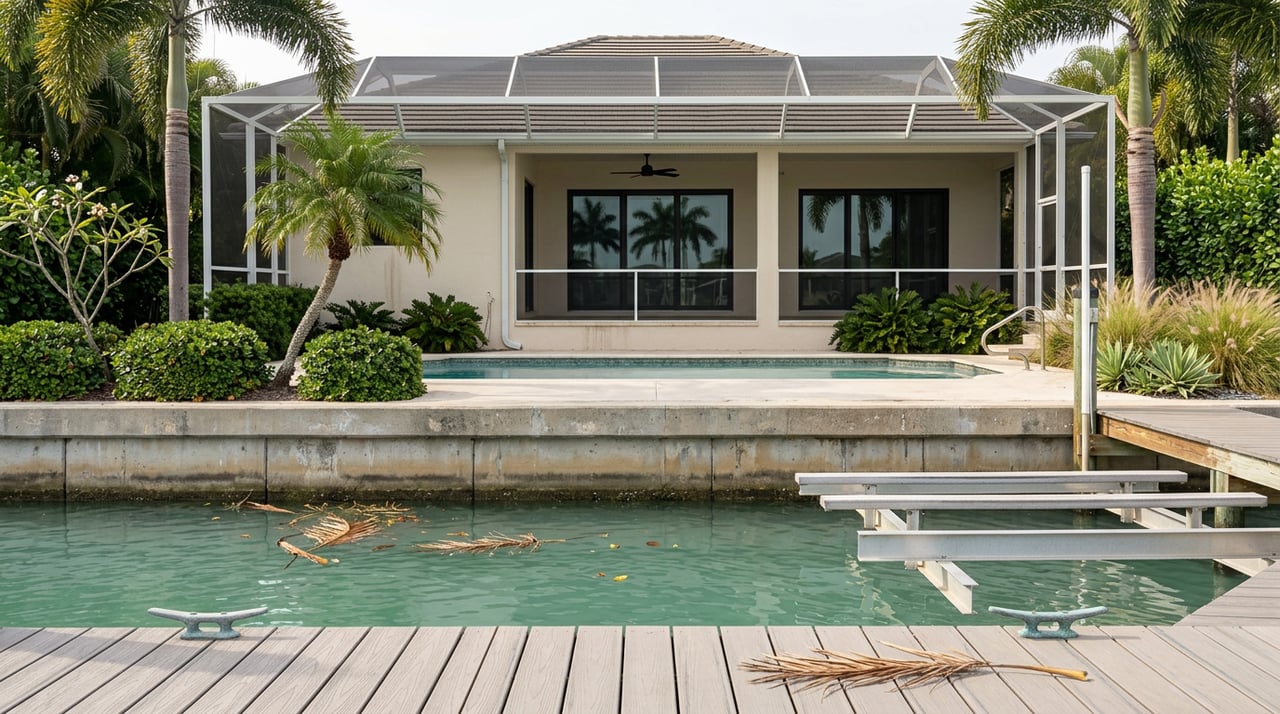
In Malabar and Grant-Valkaria, coastal living usually means proximity to the Indian River Lagoon, boat access, preserves, and trails rather than an oceanfront condo skyline. That distinction matters if you are comparing these towns to beachside communities elsewhere in Brevard County. The lifestyle is more land-and-water oriented than boardwalk-and-beach oriented.
You may find that your daily routine here feels more property-centered and car-oriented. Low-density zoning, preserved land, and trail networks shape the way people use the area. Many errands, services, and commute patterns likely extend into nearby hubs like Palm Bay or Melbourne.
If you want more land than you would typically find in a denser coastal neighborhood, these communities stand out. In Malabar, the zoning code offers a useful snapshot of the housing pattern. RR-65 allows no more than 1.5 acres per dwelling unit and is intended for agricultural uses or large-lot rural homes.
Other Malabar districts also show a lower-density pattern. RS-21 allows up to two units per acre, while RS-15 requires lots of at least 15,000 square feet and RS-10 requires lots of at least 10,000 square feet. East of US-1, the Coastal Preserve district is intended to protect the Indian River Lagoon edge and limits uses to noncommercial piers, boat slips, and docks.
Grant-Valkaria shows a similar pattern with a slightly different flavor. Town meeting minutes describe RR-1 as land devoted to single-family homes of spacious character. AU zoning allows a single-family home plus agricultural uses and accessory structures, which helps explain why buyers here are more likely to encounter acreage, hobby-farm potential, and space for outbuildings.
For many buyers, the biggest appeal is how closely daily life connects to nature. Malabar brands itself as a Florida Trail Town, and the town says trail users can step off hiking, biking, equestrian, or paddling routes into town amenities. That creates a lifestyle where outdoor recreation is not just occasional, but woven into the rhythm of the area.
One of the best-known examples is Malabar Scrub Sanctuary. Located off Malabar Road between I-95 and US-1, this 577-acre sanctuary offers hiking, mountain biking, and equestrian trails, along with wildlife-viewing opportunities. It is a meaningful part of what makes Malabar feel open and conservation-minded.
Grant-Valkaria also leans heavily into outdoor living. The town highlights thousands of acres of preserved pine woodlands and oak hammocks, active equestrian facilities, country roads used by cyclists, the Habitat Golf Course, Valkaria Airport, and three boat-launch parks. Those ramps provide access to the Indian River Lagoon and nearby Sebastian Inlet.
Grant Flatwoods Sanctuary adds another layer to the lifestyle. This 2,260-acre Environmentally Endangered Lands sanctuary is managed for conservation and habitat preservation, with bird-watching, hiking, and horseback riding among its listed activities. It reflects the broader conservation network in Brevard County that helps preserve sensitive habitats while supporting passive recreation.
If you are drawn to the coast but do not want the pace or footprint of a denser beachside area, this is where Malabar and Grant-Valkaria become especially interesting. The water connection here is tied closely to the lagoon and river system. In Malabar, the Coastal Preserve district along the lagoon edge reinforces that protected shoreline character.
Brevard County also notes that Malabar sits within the Indian River Lagoon watershed, with most water reaching the lagoon through Turkey Creek, Goat Creek, or direct discharge. In Grant-Valkaria, the boat-launch network makes water access part of the lifestyle in a practical way. For buyers who enjoy boating, paddling, fishing, or simply living near preserved waterfront environments, that can be a strong advantage.
Malabar and Grant-Valkaria are not one-size-fits-all communities, and that is part of their appeal. If you want a compact, highly walkable beach town with a dense retail core, these may not be the right match. If you want elbow room, a quieter setting, and a more outdoors-focused routine, they can be worth a closer look.
Grant-Valkaria’s census profile offers some clues about the buyer mix. The town has a 95.3% owner-occupied housing rate, 36.7% of residents are age 65 or older, and the median owner-occupied home value is $481,400. In practical terms, that points to a market that may appeal to active retirees, second-home buyers, and households that value privacy, space, and long-term ownership.
These towns can also appeal to buyers who want room for hobbies or equipment that may be harder to accommodate in a tighter subdivision. Larger lots, agricultural allowances in some zoning categories, and access to trails and water can support a more flexible lifestyle. The key is knowing how each property’s location and zoning shape what is possible.
Before you make a move, it helps to think beyond the postcard version of the lifestyle. Rural-coastal living can be incredibly rewarding, but it works best when it matches how you actually want to live day to day. A little clarity up front can save you time and help you narrow your search.
Here are a few smart questions to ask yourself:
These questions matter because the appeal of Malabar and Grant-Valkaria is often found in the details. Two homes may be only a few miles apart, but the setting, lot size, access points, and surrounding land uses can feel very different.
In a market like this, broad labels do not tell the full story. “Coastal” can mean lagoon access instead of direct oceanfront. “Rural” can mean anything from a large residential lot to a property with agricultural potential and room for outbuildings.
That is why local, property-level guidance matters so much. When you are comparing homes in Malabar or Grant-Valkaria, it helps to have someone who can walk you through the practical differences in lifestyle, location, and land use so you can buy with confidence.
If you are exploring rural-coastal living in south Brevard and want a clear, thoughtful plan, Krissy Lindbaek can help you evaluate the options and find the right fit for your goals.
Stay up to date on the latest real estate trends.