Leave a Message

Thank you for your message. I will be in touch with you shortly.

Why Investors Are Focusing on Vero Beach Real Estate in 2025

October 28, 2025

Vero Beach keeps drawing investors for its refined coastal lifestyle, solid tenant demand, and a mix of oceanfront condos and mainland opportunities. In 2025, underwriting has shifted: insurance, reserves, and building health sit alongside rent growth and cap rates. This guide shows where investors are looking and how to underwrite smart on Florida’s East Coast.

Want target properties based on your return profile and hold period? Contact Krissy to get a curated list with rent comps and insurance notes.


What’s Driving Investor Attention

  • Diversified demand: retirees, remote professionals, and seasonal visitors
  • Lifestyle moat: boutique beaches, culture on Ocean Drive, and calmer pace vs. bigger metros
  • Relative value: options across condos, townhomes, and SFH west of A1A

Micro‑Markets to Watch

  • East of A1A: Oceanfront condos with amenity premiums; underwrite reserves and upcoming projects
  • Mainland neighborhoods near SR‑60: Access to retail and employers; lower maintenance newer builds
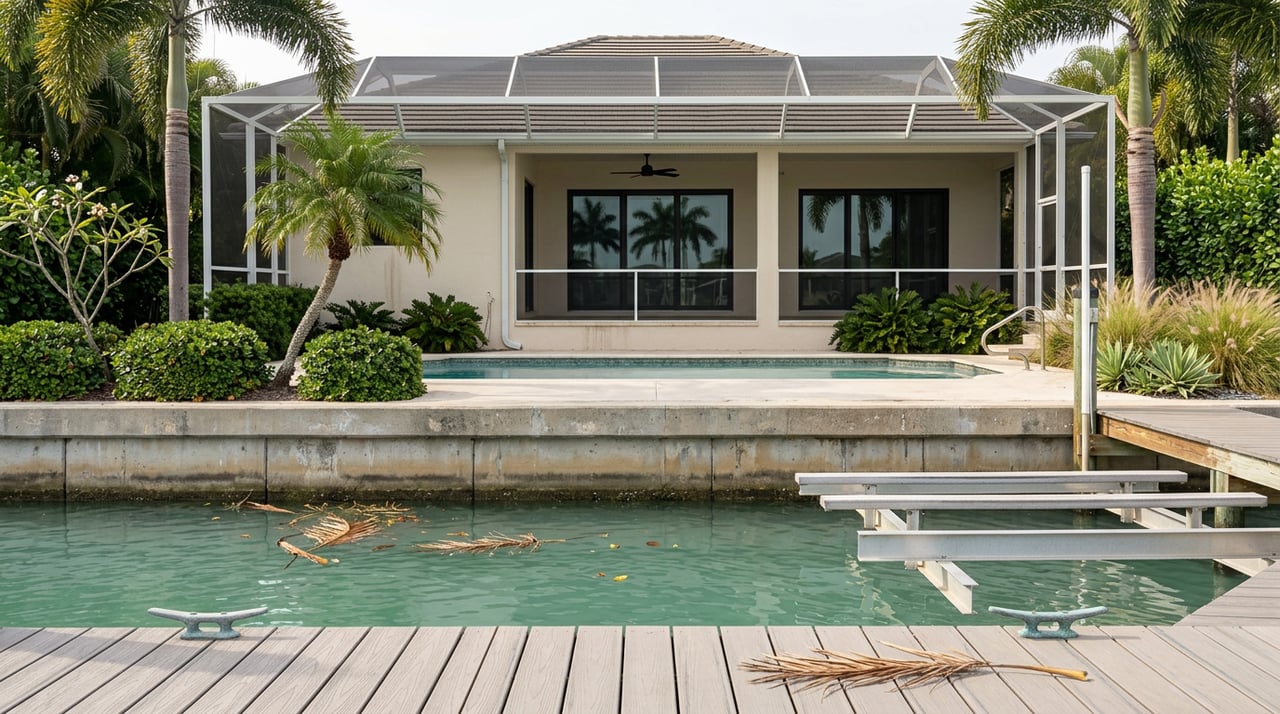
  • River‑adjacent pockets: Premium sunsets and strong end‑user demand on resale

2025 Underwriting Checklist

  • Insurance: Quote actual addresses; price impact openings and roof age into the model
  • HOA/condo health: Read reserve studies, milestone inspection outcomes, and special assessment history
  • Rents and seasonality: Confirm minimum lease terms, seasonality bumps, and historical occupancy
  • Exit strategy: End‑user resale vs. investor‑to‑investor—affects finish level and timeline

Financing and Structure Notes

  • Portfolio and DSCR loans available; compare prepayment and rate buydowns
  • Consider cost segregation and depreciation strategy with your CPA
  • Build a reserve for special assessments in oceanfront buildings

FAQs: Investing in Vero Beach

1) Are short‑term rentals allowed?

Rules vary by building and city. Many condos restrict to 3–6 month minimums.

2) What drives biggest insurance swings?

Roof age, impact openings, wind‑mit, distance from coast, and building condition.

3) Are cap rates compressing?

Depends on asset and building health. Strong reserves and low risk can trade tighter.

4) What finishes attract stable tenants?

Durable flooring, updated kitchens/baths, and in‑unit laundry.

5) What is the best hold period?

Many investors model 5–7 years with optionality for earlier exit on appreciation.


Recent Blog Posts

Stay up to date on the latest real estate trends.
Work With Us