How To Price A Waterfront Home In Cocoa Beach With Confidence
June 18, 2026
June 18, 2026
If you own a waterfront home in Cocoa Beach, pricing it can feel harder than pricing almost any other property type. Two homes can sit on the same street and still have very different value based on water type, view, dock setup, flood exposure, and permit history. The good news is that when you understand what local buyers are really comparing, you can price with much more confidence. Let’s dive in.
A waterfront home is not just a home with a pretty backdrop. In Cocoa Beach, buyers are weighing lifestyle value alongside practical questions about flood risk, insurance, maintenance, and how usable the water access really is.
That matters even more in today’s market. Current citywide data points to a softer environment than many sellers expect, with median sale prices generally landing in the mid-$400,000s and homes often taking around 73 to 77 days to sell. That does not mean waterfront homes cannot command a premium. It means the premium has to be supported.
One of the biggest pricing mistakes is treating all waterfront homes as the same product. In Cocoa Beach, they are not.
Brevard County property records separate waterfront categories such as ocean front, ocean view, river front, river view, river access, canal front, and canal-access variations. That means your home should be compared first to the same type of waterfront property, not to a broad city average.
A canal-front home competes with other canal-front homes. A river-view property is different from true riverfront. An ocean-view home is not the same as oceanfront. If your pricing strategy starts with “waterfront is waterfront,” you can miss the market before your listing even launches.
Cocoa Beach may feel like one connected coastal market, but pricing can vary meaningfully by area. Recent listing data shows notable differences between areas like North Reach, Cocoa Isles, Seacrest Beach, and South Cocoa Beach.
That spread is an important reminder that location inside Cocoa Beach still matters, even before you factor in condition and upgrades. A seller in South Cocoa Beach should not assume the same pricing logic as a seller in North Reach, and neither should rely on a broad citywide average alone.
When buyers walk into a waterfront home, they are not just reacting to square footage. They are quickly sizing up how the property lives, how the waterfront functions, and how much uncertainty they may inherit.
The features that often carry the most pricing weight include:
In other words, buyers are paying for more than the presence of water. They are paying for the quality, usability, and documentation of that waterfront lifestyle.
Cocoa Beach has a unique layout, with the Atlantic on the east side and the Banana River Lagoon on the west side. That geography can influence how buyers think about value.
The city’s planning documents note that low-lying lands bordering the lagoon are more flood-prone, while much of the waterfront inventory throughout Cocoa Beach is already developed. That can make lot position, existing improvements, and elevation especially important in pricing discussions.
For sellers, this means your address alone does not tell the full story. The exact side of the city, the water body, and the lot’s physical characteristics all shape where your home should be positioned.
The most credible waterfront pricing strategy starts narrow. Instead of pulling every recent sale in Cocoa Beach, focus on the closest possible comparable set.
A strong comparable set usually includes homes with:
This is where public records become especially useful. Brevard County property records can help verify details like property type, sale date, lot information, maps, plats, tax records, and certain site characteristics. For waterfront homes, the best comparable is often the one that matches your water relationship first and zip code second.
After you identify the right comparables, the next step is adjusting for the features buyers care about most. This is where many pricing opinions drift too high or too low.
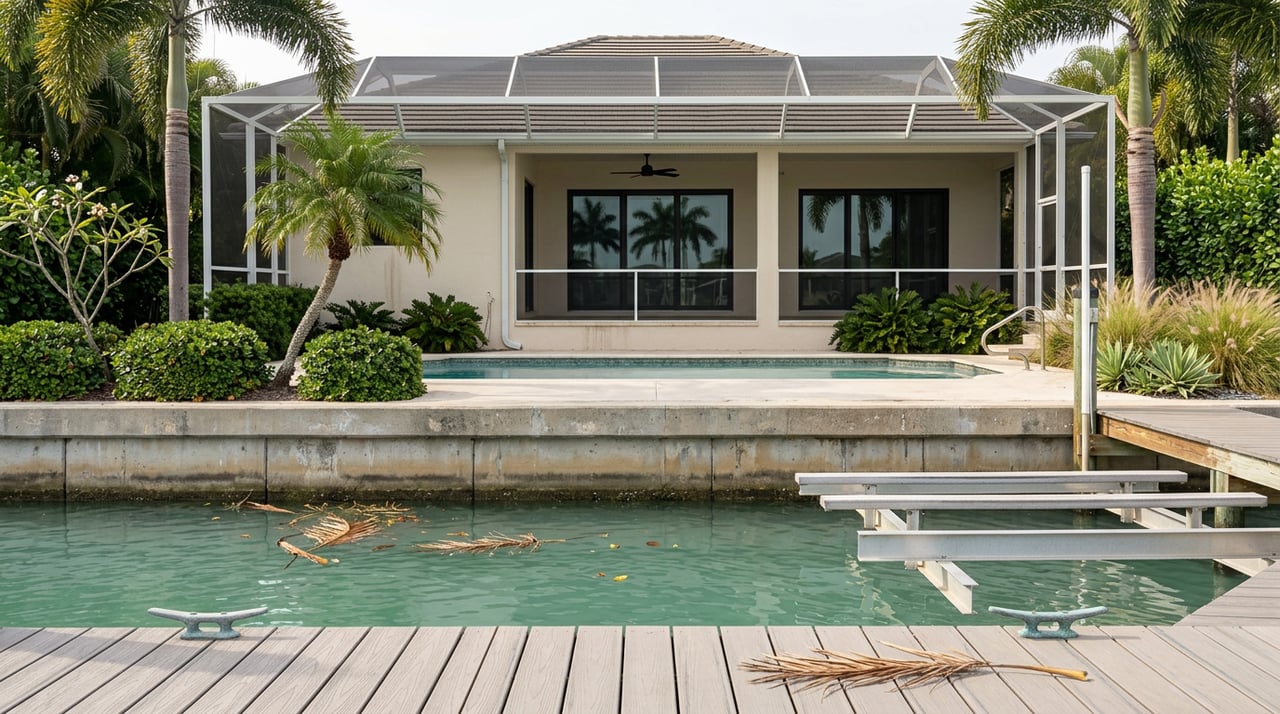
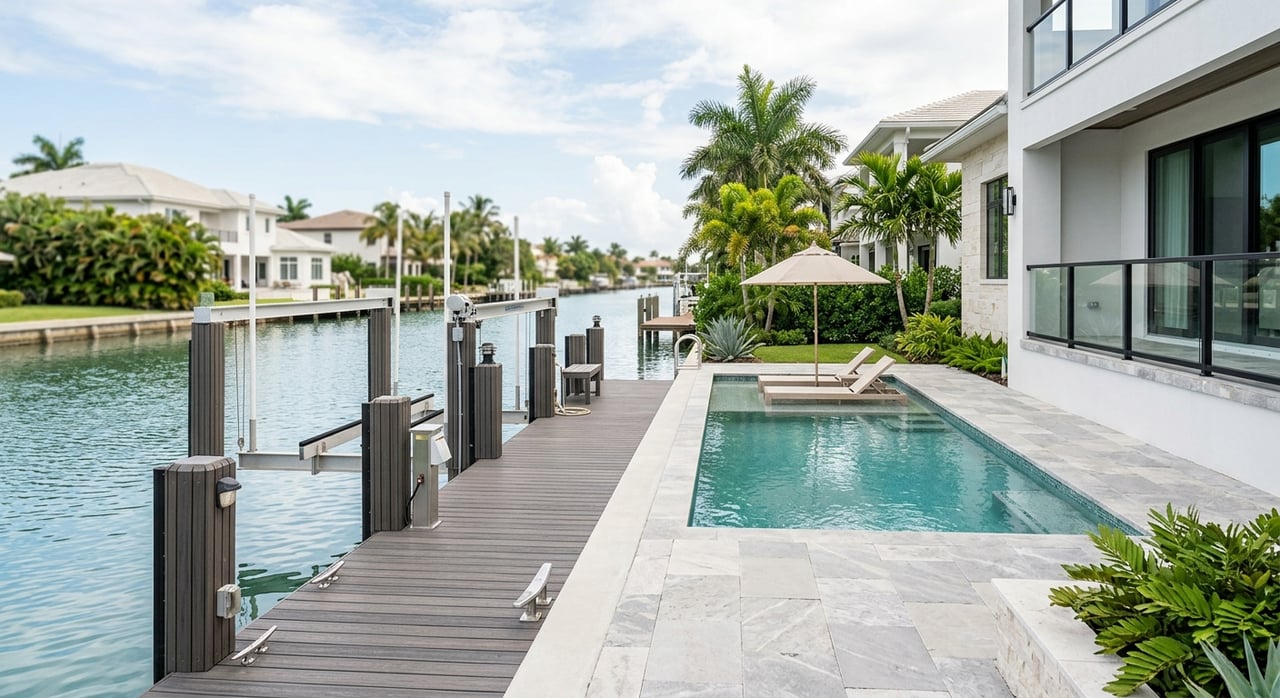
For example, two canal-front homes may look similar on paper, but one may have a functional dock, boat lift, usable yard, open view corridor, and documented improvements. The other may need seawall work, have limited outdoor usability, or come with missing paperwork. Those are not small differences. They can directly affect what a buyer is willing to pay.
If your home has standout waterfront features, they need to be reflected in the pricing story. If there are question marks, they need to be addressed honestly before the market does it for you.
In Cocoa Beach, waterfront infrastructure is not just a cosmetic issue. It is part of value.
The city requires approval and building permits for seawalls, and marine-construction permit files in Brevard County may include surveys and plot plans showing seawalls, docks, piles, boat lifts, and waterway details. Buyers and their agents can review public permit information, so incomplete records or unclear improvement history may become negotiating points.
That does not automatically mean your home is worth less. It does mean that clean, accessible documentation can support stronger pricing confidence and reduce friction during negotiations.
Flood exposure is not a side conversation for waterfront sellers in Cocoa Beach. The city states that it sits entirely within Hurricane Evacuation Zone A and the Coastal High Hazard Area, and local planning documents note growing exposure to sea-level rise, storm surge, and coastal flooding.
Because of that, buyers may ask detailed questions about flood zone, past mitigation work, elevation, and insurance readiness. A seller who is prepared for those questions often creates more trust and fewer delays.
When flood details are vague, buyers may assume higher future costs or greater uncertainty. When the information is clear, the home often feels easier to evaluate.
It is helpful to know where the broader market stands, but broad averages should not be your final pricing anchor for a waterfront home. Cocoa Beach currently shows a mix of typical values, sale prices, inventory levels, and days on market that suggest buyers are being selective.
That selectivity matters. If you launch too high without clear support, your home may sit while better-positioned listings capture attention first. If you price with discipline from the start, you improve your odds of attracting serious buyers while your listing still feels fresh.
If you want a simple way to think about pricing your Cocoa Beach waterfront home, start here:
This kind of local, detail-first process is usually what separates a confident launch price from a hopeful one.
The strongest waterfront pricing strategy is not based on guesswork or a broad online estimate. It comes from understanding how Cocoa Beach buyers compare waterfront homes, what local records reveal, and which property details create confidence versus caution.
If you are thinking about selling, the goal is not simply to aim high. The goal is to position your home where serious buyers can see the value clearly and act on it. That takes local knowledge, careful preparation, and a pricing plan built around your specific property.
If you want a thoughtful, hyperlocal strategy for your Cocoa Beach waterfront home, connect with Krissy Lindbaek for guidance that is tailored to your property, your timing, and your goals.
Stay up to date on the latest real estate trends.