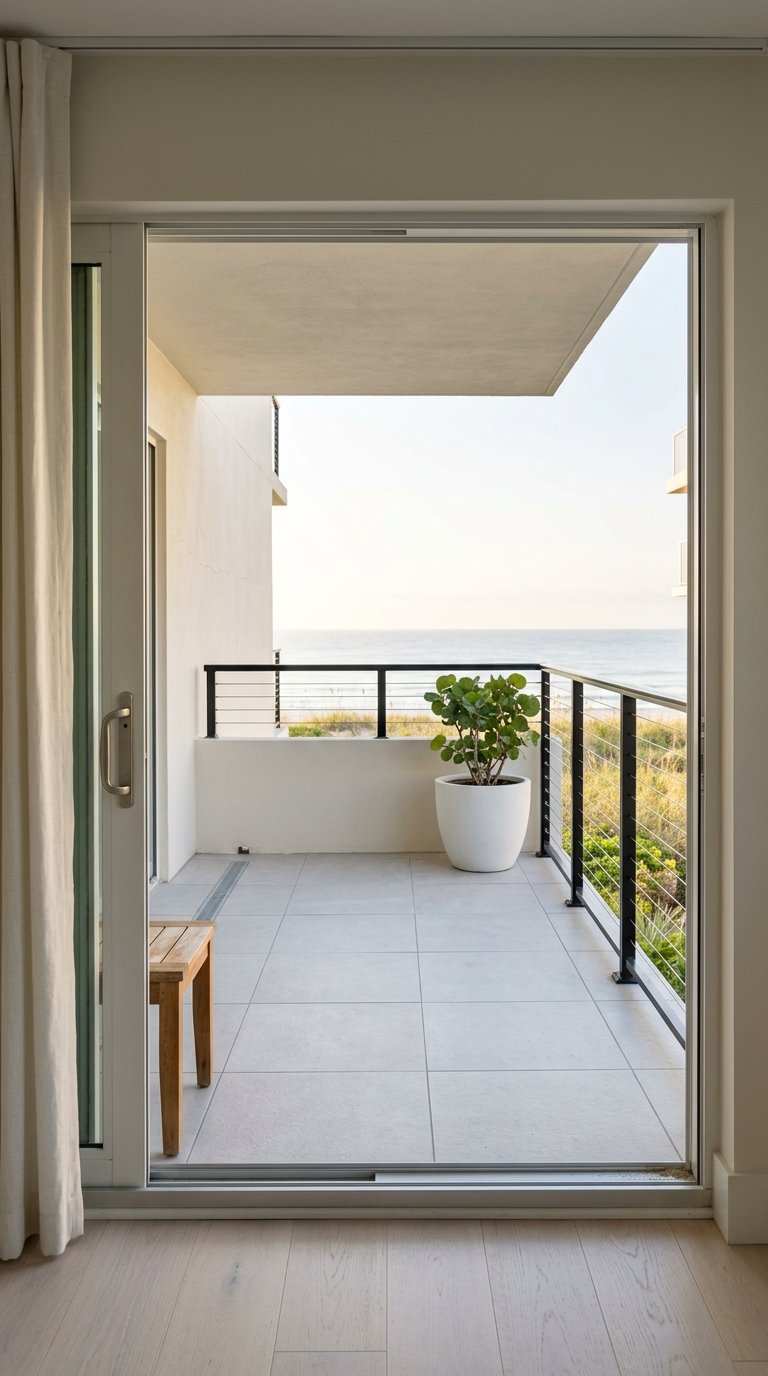
Buying An Oceanfront Condo In Melbourne Beach: Key Considerations
June 4, 2026
June 4, 2026
If you are dreaming about waking up to Atlantic views in Melbourne Beach, the condo itself is only part of the decision. On this stretch of Brevard County coastline, building age, reserve funding, insurance details, and even dune access can shape your day-to-day ownership experience. The good news is that with the right questions up front, you can buy with far more clarity and fewer surprises. Let’s dive in.
Buying an oceanfront condo in Melbourne Beach can offer the low-maintenance coastal lifestyle many buyers want. At the same time, ocean exposure, Florida condo rules, and association finances make due diligence more important here than in many inland properties.
Melbourne Beach sits on a barrier island between the Atlantic Ocean and the Indian River Lagoon. The town’s planning documents identify flood-prone areas as a major local consideration, which is one reason buyers should look closely at both the property and the building before moving forward.
In Florida, condo building age is measured from the certificate of occupancy date. That matters because certain residential condominium buildings must complete a milestone inspection by December 31 of the year they reach 30 years of age.
A local enforcement agency can require the first inspection at 25 years instead when local conditions justify it, including proximity to salt water. For an oceanfront condo in Melbourne Beach, that possibility should be part of your early research, not something you discover late in the transaction.
Florida’s milestone inspection and Structural Integrity Reserve Study, often called a SIRS, apply to residential condominium buildings that are three habitable stories or higher. Buildings under three stories are excluded from the SIRS requirements.
That means two condos with similar views and similar price points may come with very different long-term maintenance and budgeting obligations. Knowing which category a building falls into can help you compare properties more accurately.
A milestone inspection focuses on structural issues, including load-bearing elements and primary structural systems. A SIRS is different. It is a visual, budget-planning review of association-maintained components that need to be funded over time.
Required reserve items can include the roof, structure, load-bearing walls, primary structural systems, fireproofing and fire protection, plumbing, electrical systems, waterproofing, exterior painting, windows, exterior doors, and other major deferred-maintenance items over $25,000 that affect those systems.
In a marine environment, some components tend to become bigger concerns faster. For oceanfront condos, waterproofing, windows, exterior doors, balconies, façade components, and the roof deserve extra attention during your review.
If the building is approaching an inspection deadline or entering a major repair cycle, that can affect both your budget and your comfort level as an owner. It can also change how you evaluate asking price, upcoming projects, and overall value.
For many buyers, the monthly condo fee gets the most attention. In reality, the bigger story is often the association’s overall financial health, reserve funding, and whether the building appears prepared for future repairs.
Florida condo resale buyers are entitled to important documents, and those records can tell you a lot. Before you commit, request the declaration, articles of incorporation, bylaws, rules, annual financial statement, annual budget, any applicable milestone inspection summary, and the most recent SIRS, or a statement that no SIRS has been completed.
Reserve funding is now a central issue for many Florida condo buildings that fall under SIRS rules. State guidance says that if a budget was adopted on or after December 31, 2024, SIRS reserves may not be waived for qualifying buildings.
If a budget was adopted before that date, owners may previously have voted to waive or underfund certain SIRS reserves, but funding had to begin January 1, 2026. For buyers, this means older budgets may not tell the full story unless you also review current updates and meeting discussions.
A budget gives you numbers. Meeting minutes often tell you what is behind those numbers.
Look for mentions of concrete work, leaks, balcony repairs, façade issues, roof replacement, window projects, waterproofing, insurance changes, engineering reports, or owner discussions about special assessments. Those details can help you understand whether the building is stable, catching up, or facing a significant repair cycle.
As of January 1, 2026, associations with 25 or more units must post many official records online and keep them current within required timeframes. That can make remote due diligence easier if you are buying from out of state or comparing several buildings at once.
Florida law gives resale condo buyers specific disclosures and timing protections. For contracts entered into after December 31, 2024, sellers must provide conspicuous disclosure if a required milestone inspection, turnover inspection report, or SIRS has not been completed.
If that required language is missing, the contract is voidable before closing. Florida resale disclosure rules also provide a 7-day rescission framework for standard resale documents and a separate 15-day right tied to milestone and SIRS disclosures when those documents are delivered.
This is one more reason it helps to slow down and review paperwork carefully. A condo purchase in Melbourne Beach is not just about the unit. It is also about understanding the building’s compliance and document trail.
Insurance is one of the most important parts of buying an oceanfront condo in Melbourne Beach. It is also one of the easiest items to underestimate if you wait too long.
Florida officials note that flood insurance is usually separate from homeowners coverage. State law does not require homeowners to carry it, but your lender may require it depending on the property and loan.
Before making an offer, confirm the building’s flood zone and whether the property sits in a special flood-hazard area. You should also ask whether there are any Letters of Map Change that affect the address.
Because Melbourne Beach is a barrier-island community with flood-prone areas noted in local planning documents, this is not a box to check at the last minute. It is part of understanding both cost and risk from the start.
Many condo buyers assume the association’s master policy covers most things inside the unit. In Florida, that assumption can lead to gaps.
State insurance guidance says an HO-6 policy covers your personal property, certain building items not insured by the association’s policy, and personal liability. The association’s master policy does not cover personal property, floor, wall, and ceiling coverings, electrical fixtures, appliances, built-in cabinets and countertops, window treatments, or replacements of those items within the unit boundaries.
Hurricane deductibles are separate from ordinary deductibles in Florida. Buyers should review both the association’s master policy and the unit-owner policy to understand what deductible applies after a storm.
Florida guidance also says HO-6 policies must include at least $2,000 of loss-assessment coverage, and the deductible for a loss-assessment claim may not exceed $250. That matters because in some situations, owners can be assessed for certain shared losses.
If a unit-owner policy excludes flood, a loss assessment tied to flood-damaged common property may not be covered. On an oceanfront property, that makes it especially important to understand how the master flood policy, your HO-6 coverage, and any exclusions fit together.
When you tour an oceanfront condo, the view naturally grabs your attention first. Once that happens, it is smart to focus on the exterior items that often drive future repairs and costs.
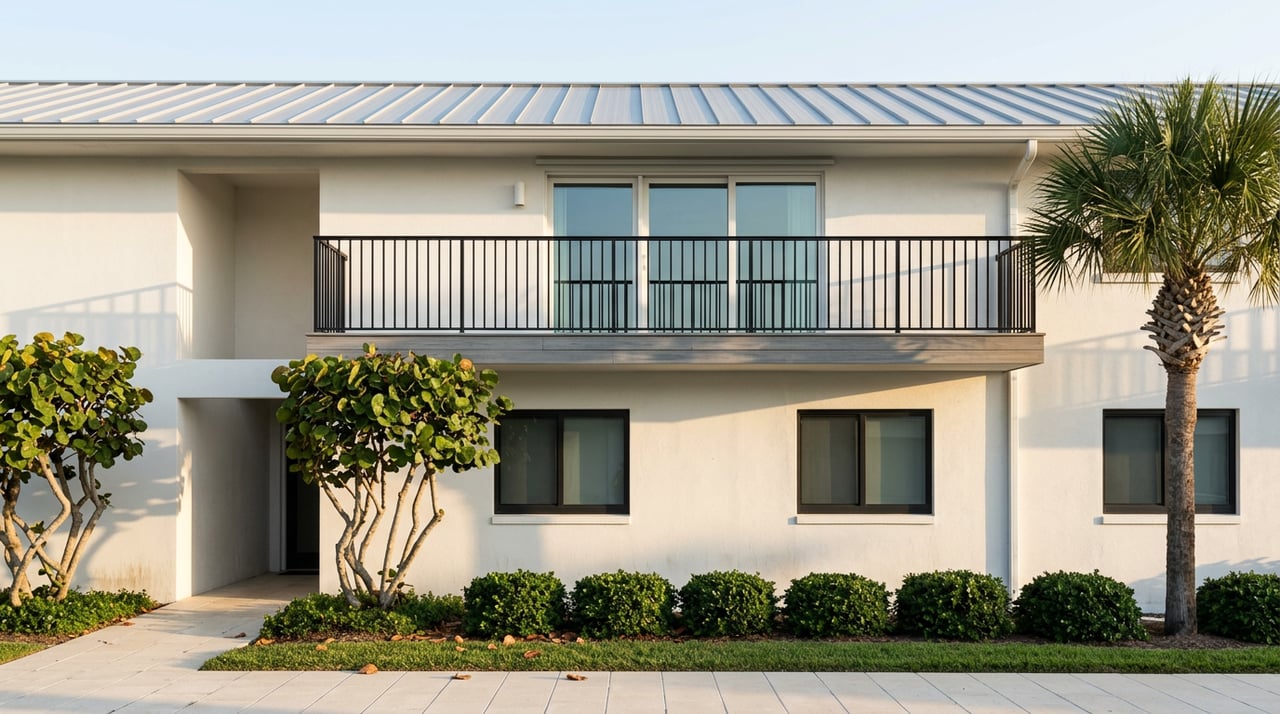
Balconies, sliders, railings, waterproofing details, and signs of water intrusion should all be high on your checklist. Since Florida’s reserve rules specifically name waterproofing, exterior painting, windows, and exterior doors as SIRS items, these components deserve close review.
Ask for recent repair history, leak reports, and any engineering findings tied to balcony slabs or façade water intrusion. Even if the unit itself looks beautifully updated, the larger building envelope still matters.
Not every oceanfront condo delivers beach access in the same way. In Melbourne Beach, it is worth asking whether access is private, shared, or dependent on a town crossover.
The town’s planning documents note multiple public beach access points with dune crossovers. They also state that existing ordinances prohibit walking along or across the dune except on those crossovers.
If direct beach use is a major reason you are buying, ask how current or planned shoreline work may affect access. In March 2026, Melbourne Beach reported that South Reach beach renourishment had begun and that beach accesses could be closed periodically as work progressed.
That does not mean you should avoid buying. It simply means convenience, noise, walkability, and crossover access can change temporarily, and those practical details are worth understanding before you close.
If you are considering an oceanfront condo in Melbourne Beach, use a process that helps you compare both lifestyle and building risk.
A well-bought oceanfront condo can be an incredible fit for your lifestyle, whether you are looking for a full-time home, a seasonal retreat, or a lower-maintenance coastal property. The key is to look beyond the view and understand the building, the association, and the location details that shape ownership over time.
That is where local guidance can make a real difference. If you want a knowledgeable, detail-focused partner to help you evaluate Melbourne Beach condos with confidence, reach out to Krissy Lindbaek.
Stay up to date on the latest real estate trends.