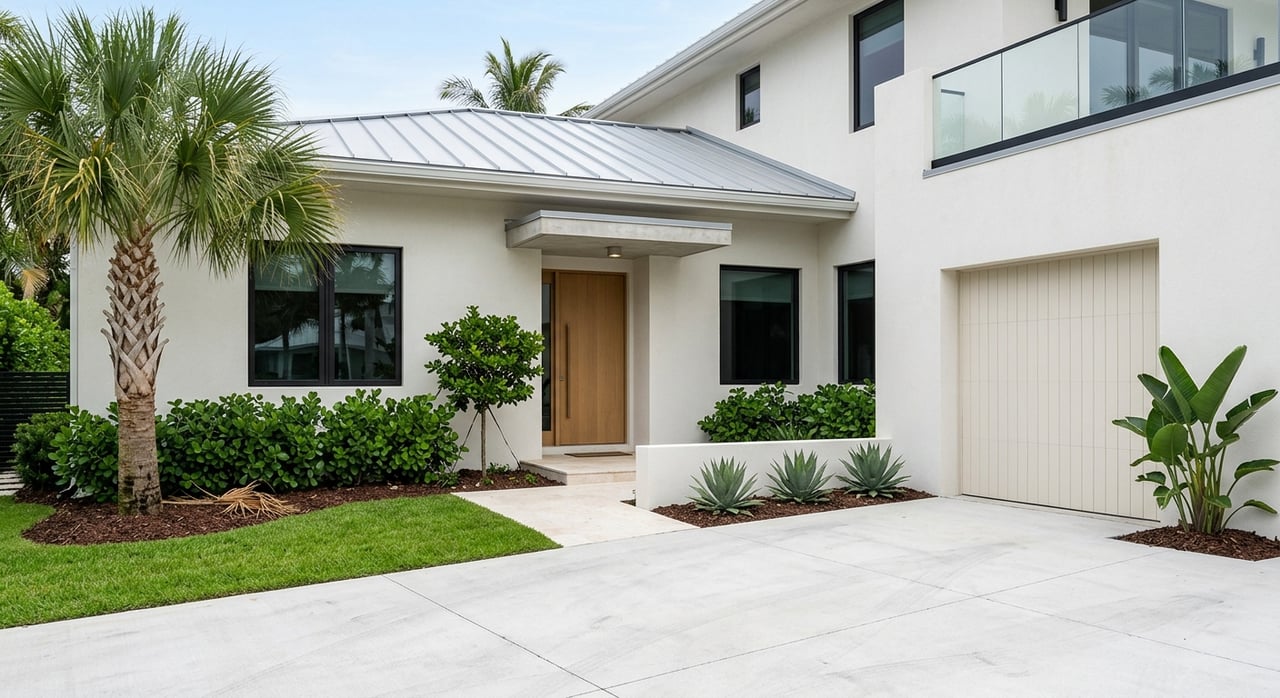
Condo Or Single-Family Home In Indialantic: How To Choose
June 25, 2026
June 25, 2026
Wondering whether a condo or a single-family home makes more sense in Indialantic? That choice can feel bigger here than it does in many other markets because coastal ownership comes with real lifestyle and cost differences. If you are trying to balance beach access, maintenance, parking, privacy, and long-term expenses, this guide will help you compare both options in a way that fits how you actually want to live. Let’s dive in.
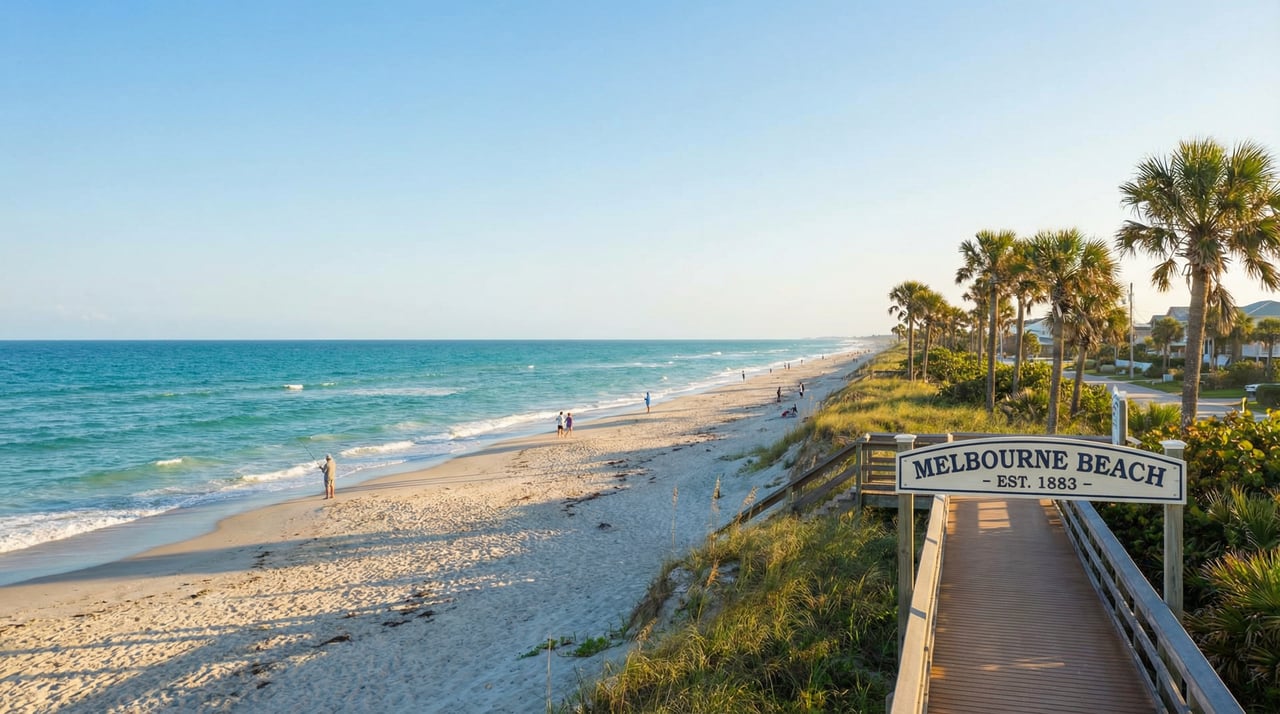
Indialantic is a small coastal town between the Indian River Lagoon and the Atlantic Ocean. With about 1 square mile of land and 3,010 residents counted in the 2020 Census, it offers a compact beachside setting where location details can shape daily life in a big way.
That matters when you compare condos and single-family homes. In a place that values public beach and river access, parks, open space, and evacuation-route readiness, your property type affects not just your budget, but also how you use the town day to day.
Parking is a great example. Public beach access exists, but parking can be limited, including at Nance Park, which has 100 paved spaces and 96 metered spaces. In practical terms, guest parking, assigned spaces, garages, and driveway capacity can matter more in Indialantic than they might in an inland neighborhood.
Flood risk is another early factor. Because Indialantic is coastal, it makes sense to compare flood exposure and insurance questions from the start, whether you are considering a condo or a detached home.
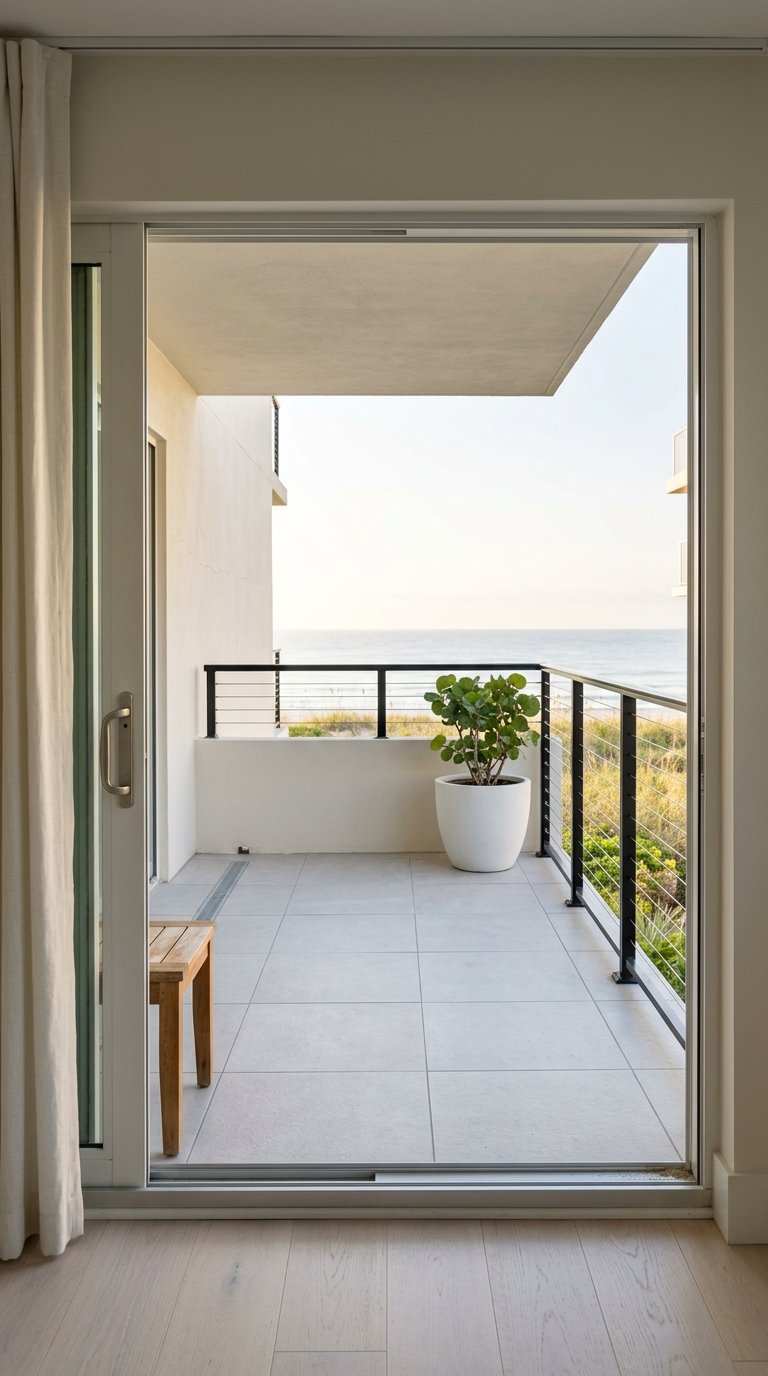
A condo often appeals to buyers who want a more streamlined ownership experience. In Florida, the association is generally responsible for maintaining the common elements, except for limited common elements assigned to the unit owner by the declaration.
That usually means less direct exterior upkeep for you. Depending on the building and documents, your monthly condo costs may help cover items like building maintenance, lawn care, insurance, security, recreation facilities, and other shared expenses.
For many buyers in Indialantic, that supports a lock-and-leave lifestyle. If you are buying a second home, downsizing, or simply do not want to manage as much exterior maintenance, a condo can be a strong fit.
The tradeoff is shared decision-making. Condo living usually comes with rules, budgets, and association governance that shape how the property is maintained and how common areas are used.
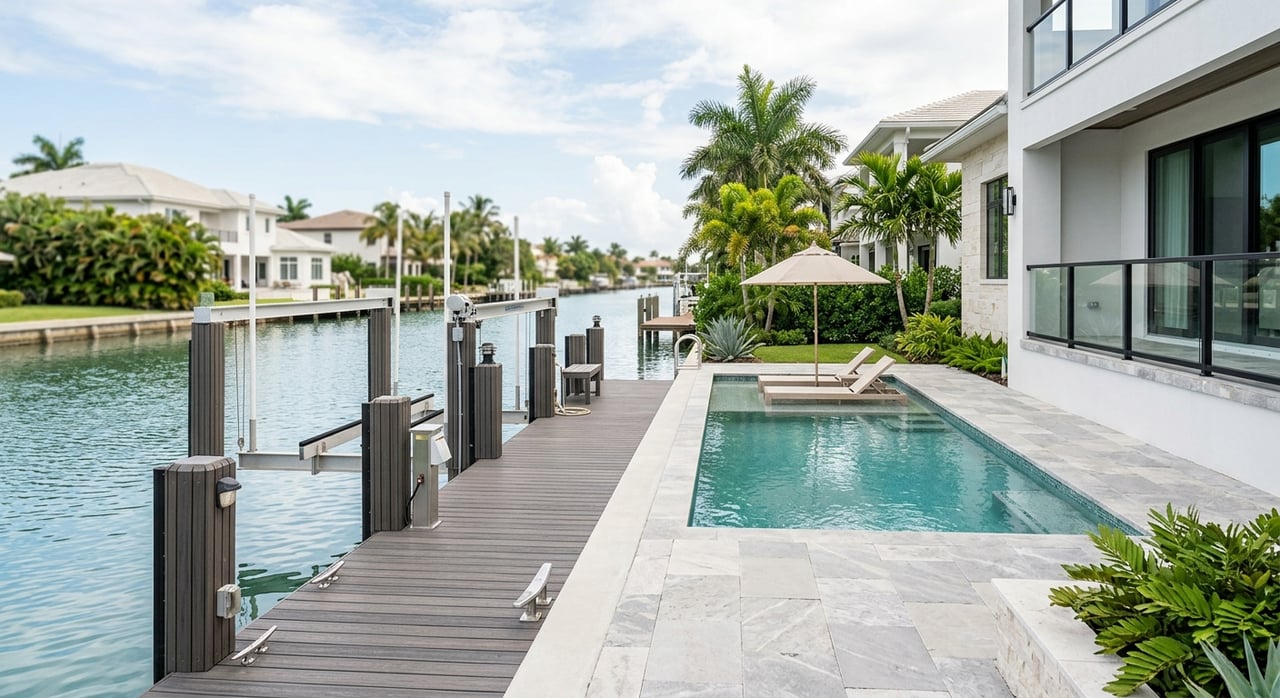
A single-family home often fits buyers who want more control over their property. When you own the home directly, you are responsible for maintenance and repairs, from everyday fixes to larger projects like roof work.
That also means you need to budget for property taxes, homeowners insurance, utilities, and unexpected repairs. A detached home can offer more freedom, but it also puts the upkeep responsibility directly on you.
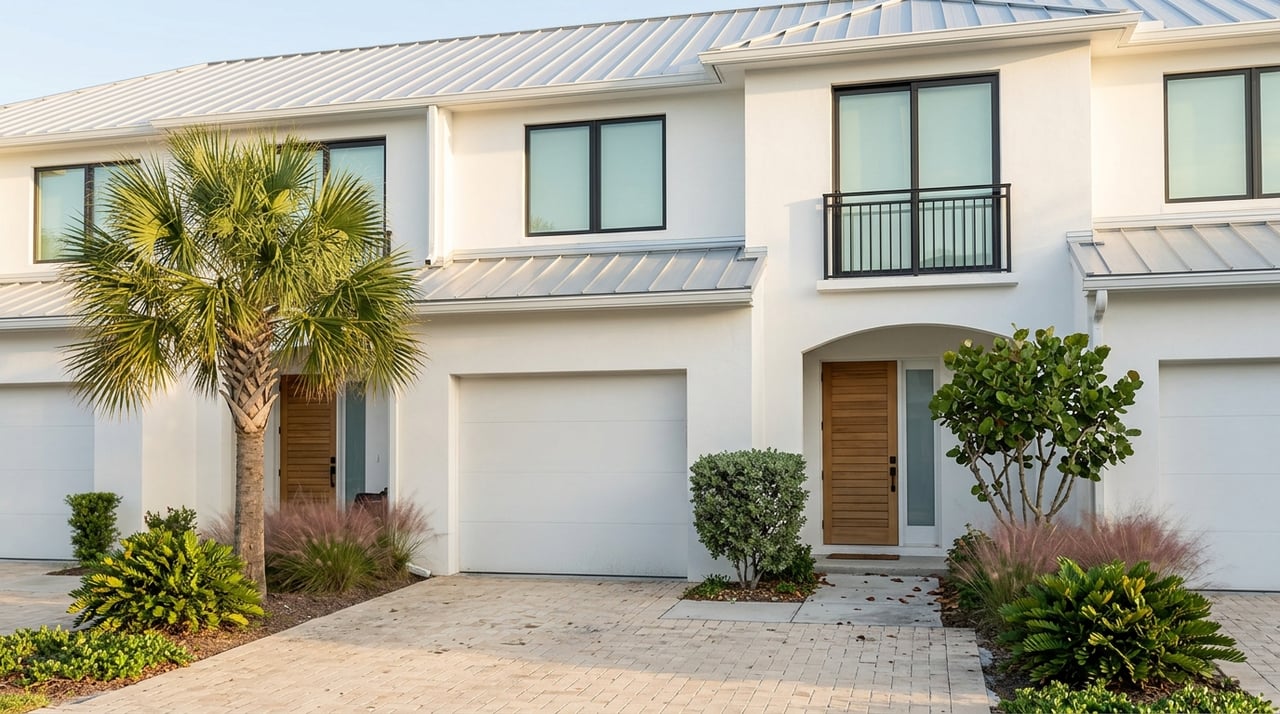
In Indialantic, that extra control can be a major advantage. A private driveway, garage, yard space, or room for storage can make everyday beachside living feel more convenient, especially when public parking is limited or metered.
This option often works well for buyers who want flexibility. If customizing exterior space, controlling parking, or avoiding shared rules matters a lot to you, a detached home may feel like the better long-term fit.
In many markets, buyers start with square footage or price. In Indialantic, your daily routine may matter just as much.
Think about how often you want to head to the beach, host visitors, or come and go with ease. Because public beach parking can be constrained, the difference between a deeded or assigned condo space and a private driveway can have a real impact on convenience.
Outdoor living matters too. Condos usually involve shared common elements, which can mean less private exterior space. A detached home may offer more room for outdoor storage, yard use, or simply more separation from neighbors.
Privacy can also feel different. If you want a more independent setup with fewer shared spaces, a single-family home often checks that box more clearly. If you prefer a simpler, more managed setup, a condo may feel easier.
If you are considering a condo in Indialantic, Florida’s current condo requirements deserve close attention. For many residential condo buildings that are three habitable stories or higher, structural integrity reserve studies and milestone inspections are now key parts of the ownership picture.
Residential condo associations must complete a structural integrity reserve study at least every 10 years for each building that is three habitable stories or higher. Milestone inspections are also required for buildings of that height when they reach 30 years of age, and then every 10 years after that.
Why does that matter to you as a buyer? Because monthly dues should be viewed as more than just a line item. Common expenses can include maintenance, repair, replacement, insurance, security, lawn care, recreation-related costs, and reserve funding.
For some buildings, reserve funding plans may be updated through special assessments, lines of credit, or loans. That means it is smart to look beyond the unit itself and understand the condition of the building, the reserve picture, and any major discussions happening within the association.
In a coastal town like Indialantic, storm-readiness is not a side topic. It is part of the ownership decision.
For condos, Florida law treats hurricane protection as a specific issue. Depending on the condo declaration, the association or the unit owner may be responsible for installation, maintenance, repair, replacement, or removal and reinstallation of hurricane protection and related windows or doors.
For single-family homes, you will want a clear picture of flood exposure, insurance needs, and the property’s ongoing maintenance demands. Brevard County’s Floodplain Administration maintains flood map records, documentation for properties where lenders require flood insurance, and guidance related to flood hazards.
This is why comparing total monthly carrying cost is so important. The better comparison is not just purchase price versus purchase price. It is dues, insurance, maintenance, parking, flood considerations, and storm-related responsibilities together.
If you are trying to narrow the decision, start with your lifestyle first and the floor plan second. The right choice is usually the one that matches how you want to spend your time, what level of responsibility feels comfortable, and which costs you are prepared to manage.
A condo is usually the better fit if you want lower exterior maintenance, shared amenities, and a property that is easier to leave for stretches of time. A single-family home is usually the better fit if you value privacy, private outdoor space, parking control, and more freedom to customize.
For relocating buyers, the key tradeoff is often space and parking versus maintenance and HOA governance. For retirees and second-home buyers, the tradeoff is often convenience and amenities versus dues, reserve exposure, and association rules.
In Indialantic, those choices are sharpened by coastal flood considerations, public beach parking limits, and Florida’s current condo reserve and inspection rules. The more clearly you define your priorities up front, the easier the right answer becomes.
| Priority | Condo may fit better | Single-family home may fit better |
|---|---|---|
| Exterior maintenance | You want less hands-on upkeep | You do not mind managing upkeep directly |
| Parking | You are comfortable with assigned or shared parking rules | You want more direct control over driveway or garage use |
| Outdoor space | You need less private exterior space | You want a yard, storage, or more private outdoor use |
| Flexibility | You are comfortable with association rules | You want more freedom to customize |
| Monthly costs | You prefer shared expenses bundled into dues | You prefer managing costs directly, even if they vary |
| Part-time use | You want an easier lock-and-leave setup | You want a detached property despite more maintenance |
There is no one-size-fits-all answer in Indialantic. A condo can be a smart choice if you want convenience, shared services, and a lower-maintenance coastal lifestyle. A single-family home can be the better move if you want space, privacy, and more control over how you live and park.
The key is to compare the real ownership picture, not just the listing photos or monthly dues. When you look closely at flood questions, building condition, reserve funding, parking, outdoor space, and day-to-day lifestyle, your best fit usually becomes much clearer.
If you want help weighing a specific condo against a specific home in Indialantic, Krissy Lindbaek can help you look past the surface and make a confident, well-informed decision.
Stay up to date on the latest real estate trends.
Real Estate
Coastal lifestyle trade‑offs, real costs, and neighborhood fit on Florida’s Space Coast

Real Estate
Timelines, inspections, incentives, and monthly cost math for smarter new‑build decisions